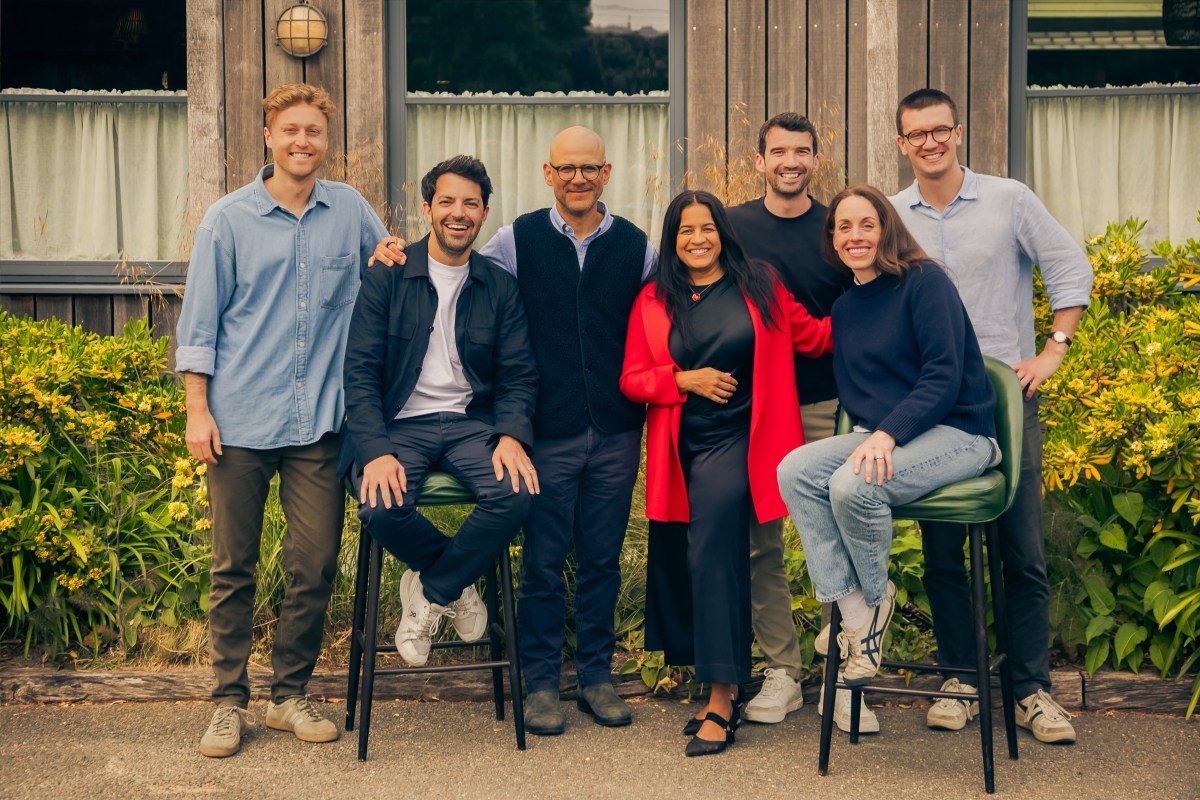
After 18 years of focusing on Europe, early-stage investor Seedcamp said on Monday that it had raised $320 million for its latest fund which will see it expanding its presence in the United States.
Fund VII is the investment firm’s largest so far, double the $180 million it had raised for Fund VI in 2023. However, Seedcamp is splitting that amount to focus more on growth-stage investments: $220 million is slated for Seedcamp VII, its vehicle for early-stage investments, while the remaining $100 million is being set aside for growth-stage, follow-on investments via a new fund called Select.
Seedcamp already has offices in New York City and Miami, but the firm is now setting out to grow the team Stateside in an effort to connect more of its European portfolio to U.S. customers and investors, especially with San Francisco and Silicon Valley regaining their position as a center of gravity in recent years.
“We need to plug founders to nodes that are connective,” Reshma Sohoni, Seedcamp’s co-founder and managing partner, told TechCrunch.
Sohoni said the firm will continue its thesis of being one of the first investors in upcoming startups, be they pre-product, pre-revenue, or even pre-traction. The firm is tapping its extensive network of portfolio startups and LPs for dealflow.
That thesis has served Seedcamp well. The firm was one of the first investors in several successful tech companies, including Fluidstack, Hopin, Pleo, Revolut, Synthesia, UiPath, and Wise. It has 12 unicorns in its portfolio of more than 550 companies, and $1 billion in assets under management.
Seedcamp VII is looking to invest roughly $1 million as a first check in about 100 to 120 startups, and follow on in later rounds, per Sohoni. The growth fund will invest about $3 million to $5 million per check, following on in Series B rounds and later.
Sohoni said limited partners in Fund VII include British Business Bank, HarborVest, Schroders, and Sofina, as well as 80 of its portfolio company founders who have pitched in as angel investors.
Seedcamp will continue to invest across sectors, Sohoni said, though she did note the firm will continue to steer clear of capital-intensive businesses, like mobility or marketplaces.
“We tend to avoid capital-intensive startups because funding working capital isn’t a great model on day one […] We’re definitely a commercial-driven investor,” said Sohoni.
When you purchase through links in our articles, we may earn a small commission. This doesn’t affect our editorial independence.